///
//
/tmp/qulpf.jpg
Portfolios – J7 Architecture, Inc.
https://j7architecture.com
Mon, 27 Jun 2022 14:42:15 +0000en-US
hourly
1 https://wordpress.org/?v=7.1.2https://j7architecture.com/wp-content/uploads/2022/04/Asset-1@2x-150x150.pngPortfolios – J7 Architecture, Inc.
https://j7architecture.com
3232SADDLEBACK VALLEY CHRISTIAN SCHOOL
https://j7architecture.com/portfolio/saddleback-valley-christian-school/
https://j7architecture.com/portfolio/saddleback-valley-christian-school/#respondMon, 09 May 2022 17:29:12 +0000http://j7architecture.com/?post_type=ot_portfolio&p=5152
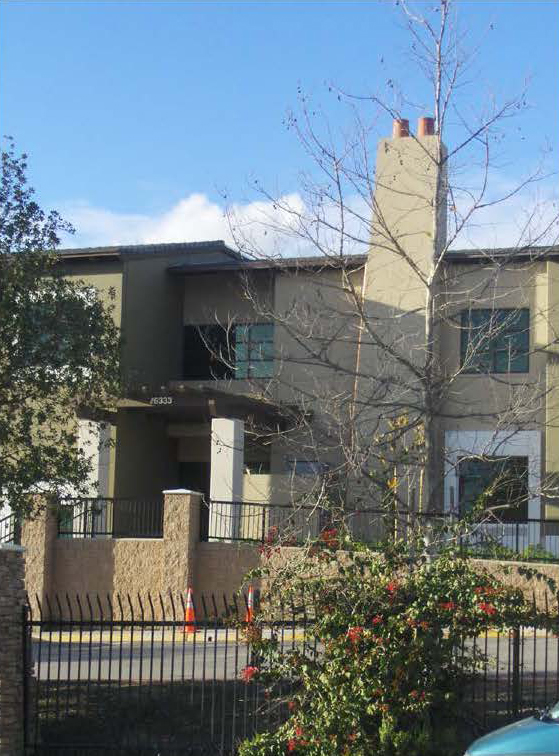
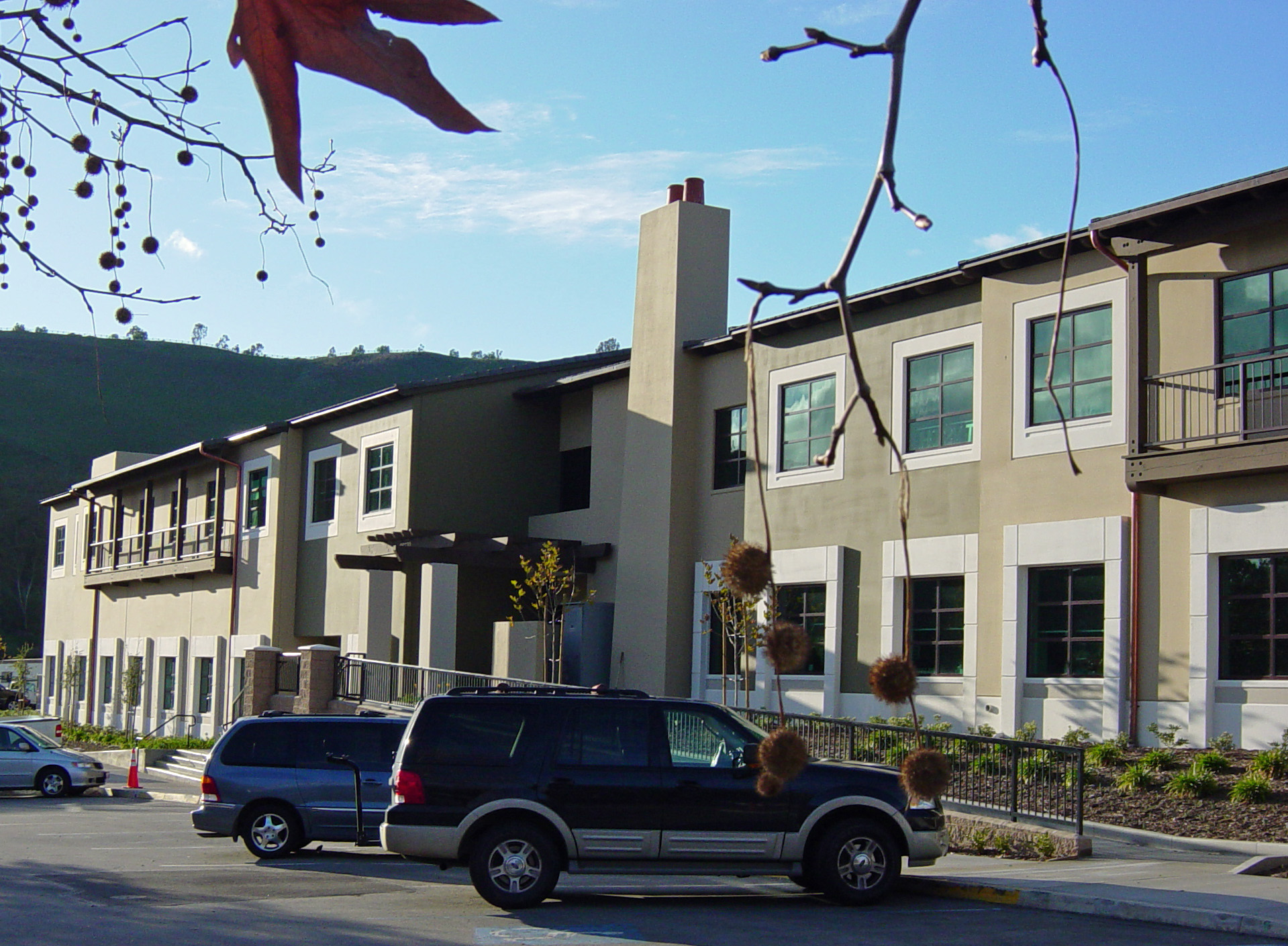
Master Plan for a Preschool, Elementary, Middle and High School campus. Phases 1 and 2 consisted of a two story classroom and administration building with library media center, computer lab, art and science rooms.
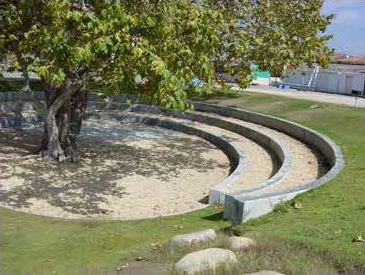
Includes free standing gymnasium “Sprung” structure with adjacent athletic fields and social amphitheatre.
Future development includes an athletic facility with gymnasium, locker rooms, weight room, training facilities, etc.
In design, we bring characteristics of the natural world into built spaces, such as water, greenery, and natural light, or elements like wood and stone. Encouraging the use of natural systems and processes in design allows for exposure to nature, and in turn, these design approaches improve health and wellbeing. There are a number of possible benefits, including reduced heart rate variability and pulse rates, decreased blood pressure, and increased activity in our nervous systems, to name a few.
Over time, our connections to the natural world diverged in parallel with technological developments. Advances in the 19th and 20th centuries fundamentally changed how people interact with nature. Sheltered from the elements, we spent more and more time indoors. Today, the majority of people spend almost 80-90% of their time indoors, moving between their homes and workplaces. As interior designers embrace biophilia.
[30m2]
bedroom
[22m2]
bathroom
[28m2]
workspace
[15m2]
kitchen area
Incredible Result
Establishing multi-sensory experiences, we can design interiors that resonate across ages and demographics. These rooms and spaces connects us to nature as a proven way to inspire us, boost our productivity, and create greater well-being. Beyond these benefits, by reducing stress and enhancing creativity, we can also expedite healing. In our increasingly urbanized cities, biophilia advocates a more humanistic approach to design. The result is biophilic interiors that celebrate how we live, work and learn with nature. The term translates to ‘the love of living things’ in ancient Greek (philia = the love of / inclination towards), and was used by German-born American psychoanalyst Erich Fromm in The Anatomy of Human Destru ctiveness (1973).
]]>https://j7architecture.com/portfolio/saddleback-valley-christian-school/feed/0SUMMIT CHRISTIAN CHURCH
https://j7architecture.com/portfolio/summit-christian-church/
https://j7architecture.com/portfolio/summit-christian-church/#respondMon, 09 May 2022 17:18:39 +0000http://j7architecture.com/?post_type=ot_portfolio&p=5124
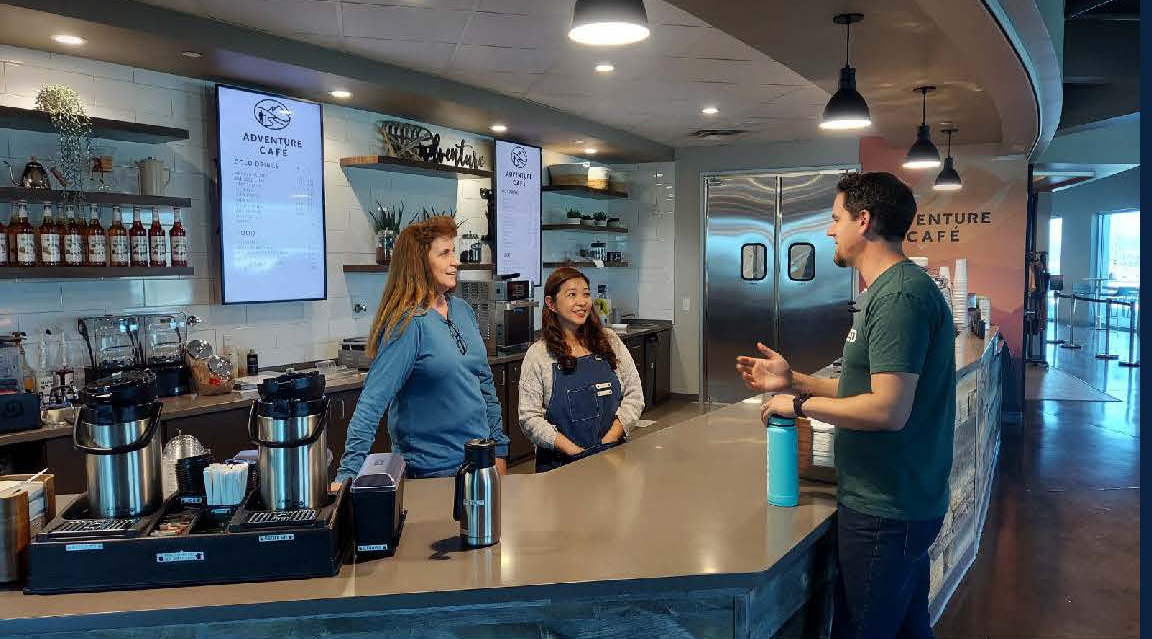
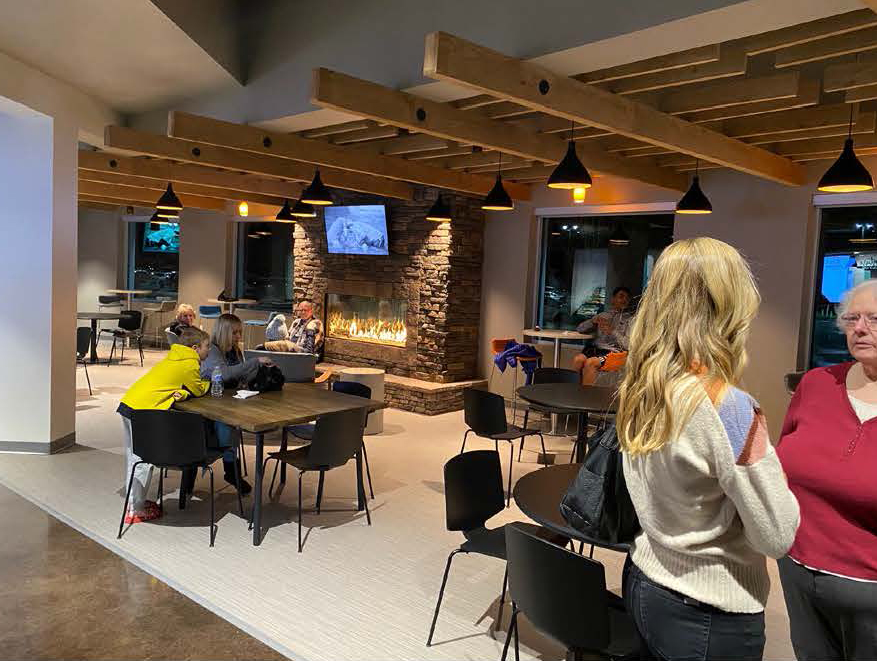
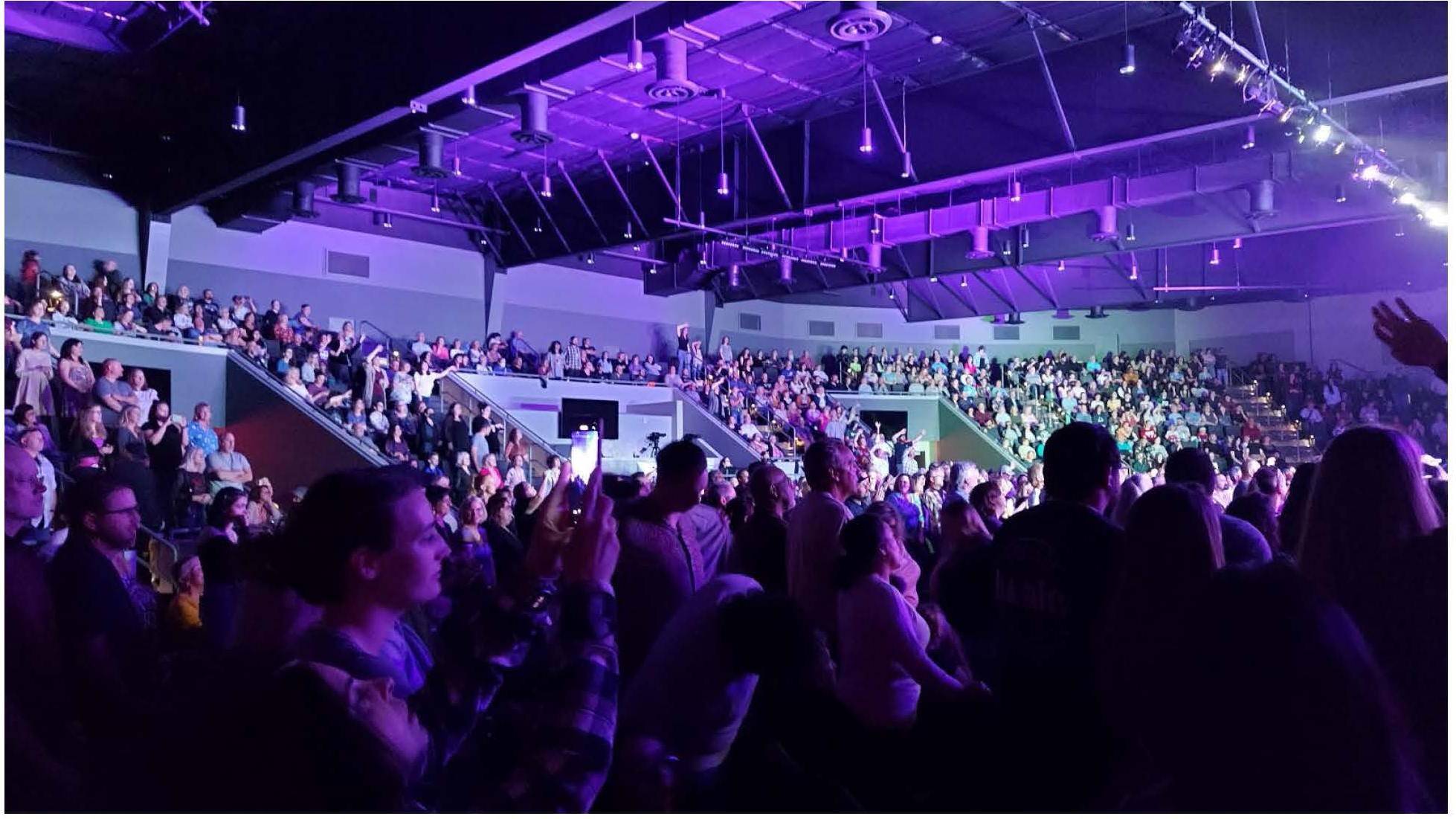
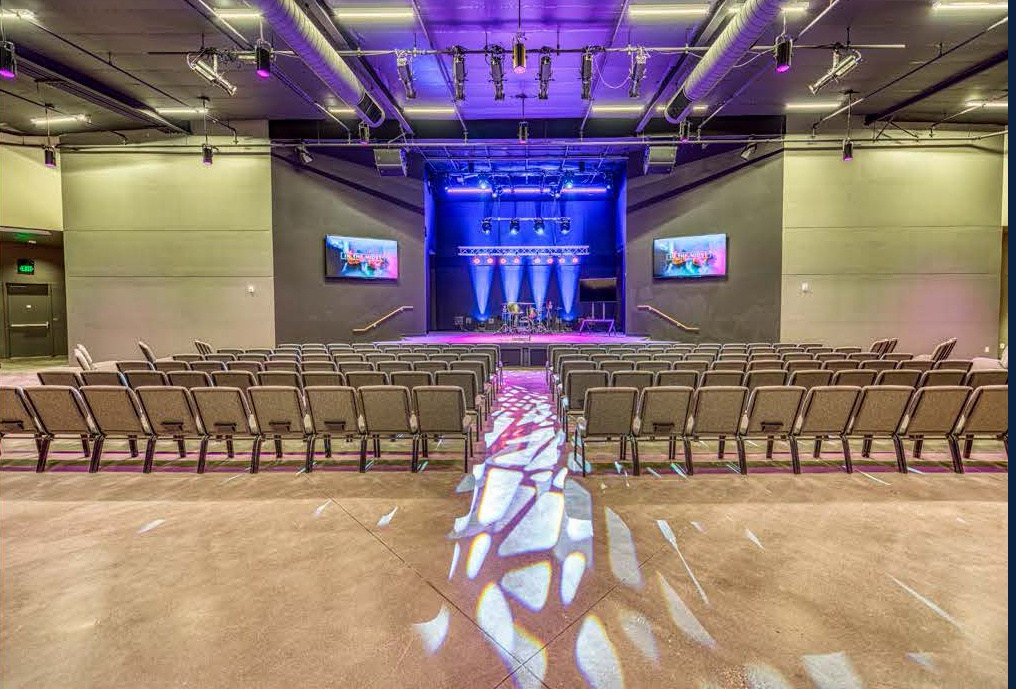
New Church campus including a Worship Center seating 1500, project totaling 90,000 s.f. on 38 acres. Project includes two multi-purpose meeting spaces, a café, fireside lounge, administrative offices, student ministry worship and classrooms, and a licensed preschool.
In design, we bring characteristics of the natural world into built spaces, such as water, greenery, and natural light, or elements like wood and stone. Encouraging the use of natural systems and processes in design allows for exposure to nature, and in turn, these design approaches improve health and wellbeing. There are a number of possible benefits, including reduced heart rate variability and pulse rates, decreased blood pressure, and increased activity in our nervous systems, to name a few.
Over time, our connections to the natural world diverged in parallel with technological developments. Advances in the 19th and 20th centuries fundamentally changed how people interact with nature. Sheltered from the elements, we spent more and more time indoors. Today, the majority of people spend almost 80-90% of their time indoors, moving between their homes and workplaces. As interior designers embrace biophilia.
[30m2]
bedroom
[22m2]
bathroom
[28m2]
workspace
[15m2]
kitchen area
Incredible Result
Establishing multi-sensory experiences, we can design interiors that resonate across ages and demographics. These rooms and spaces connects us to nature as a proven way to inspire us, boost our productivity, and create greater well-being. Beyond these benefits, by reducing stress and enhancing creativity, we can also expedite healing. In our increasingly urbanized cities, biophilia advocates a more humanistic approach to design. The result is biophilic interiors that celebrate how we live, work and learn with nature. The term translates to ‘the love of living things’ in ancient Greek (philia = the love of / inclination towards), and was used by German-born American psychoanalyst Erich Fromm in The Anatomy of Human Destru ctiveness (1973).
]]>https://j7architecture.com/portfolio/summit-christian-church/feed/0REAL LIFE CHURCH STUDENT CENTER
https://j7architecture.com/portfolio/real-life-church-student-center/
https://j7architecture.com/portfolio/real-life-church-student-center/#respondMon, 09 May 2022 17:07:58 +0000http://j7architecture.com/?post_type=ot_portfolio&p=5112
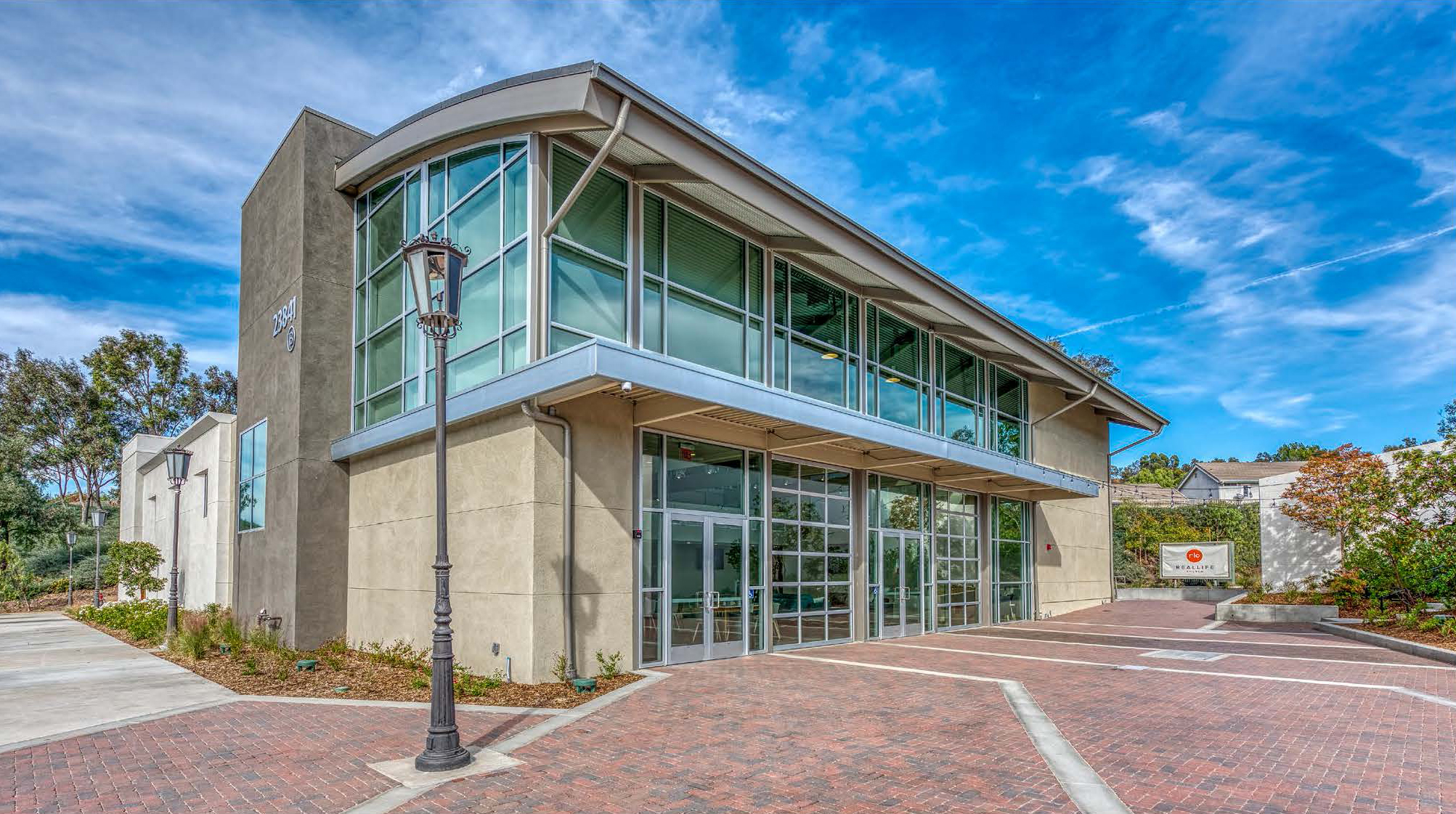
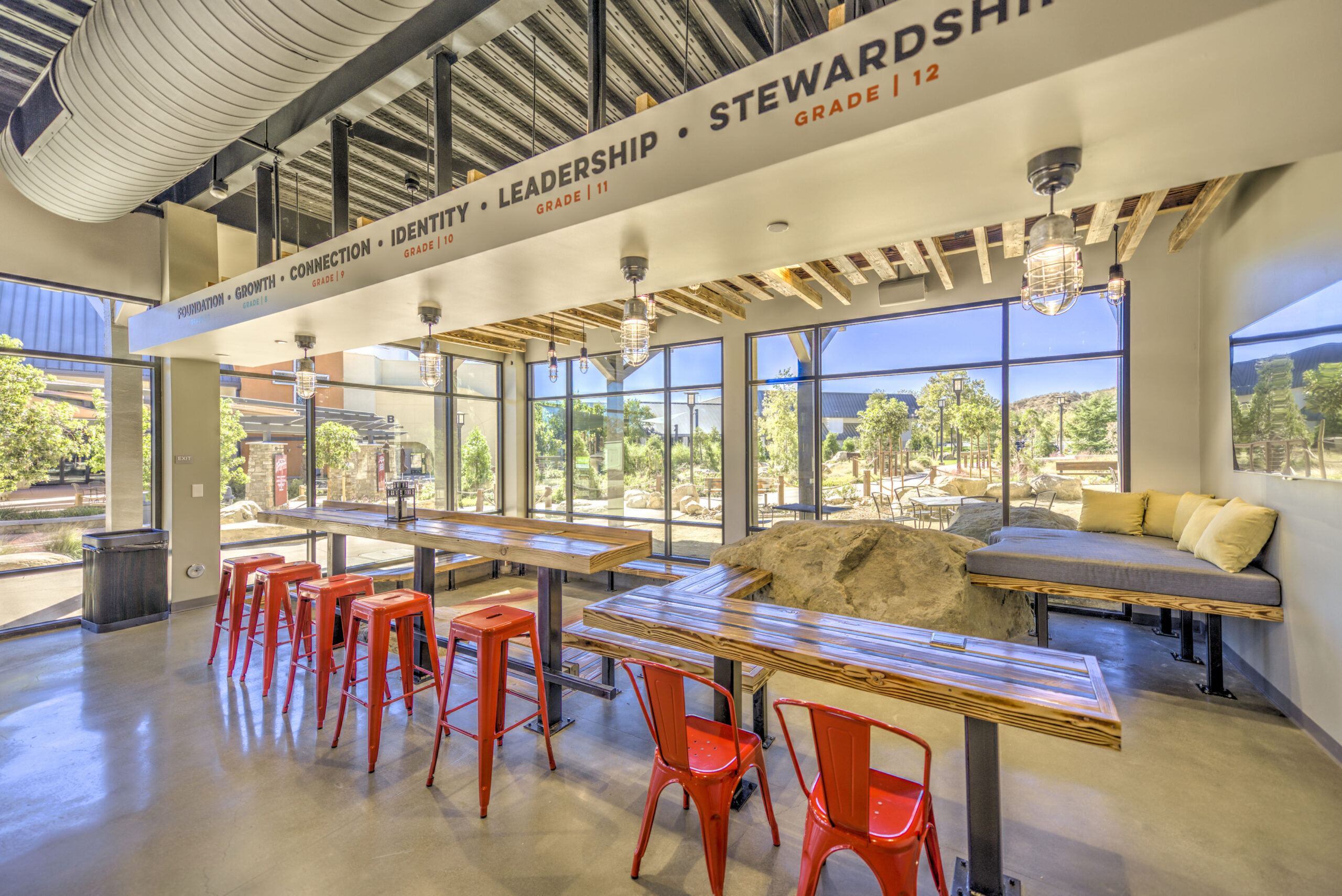
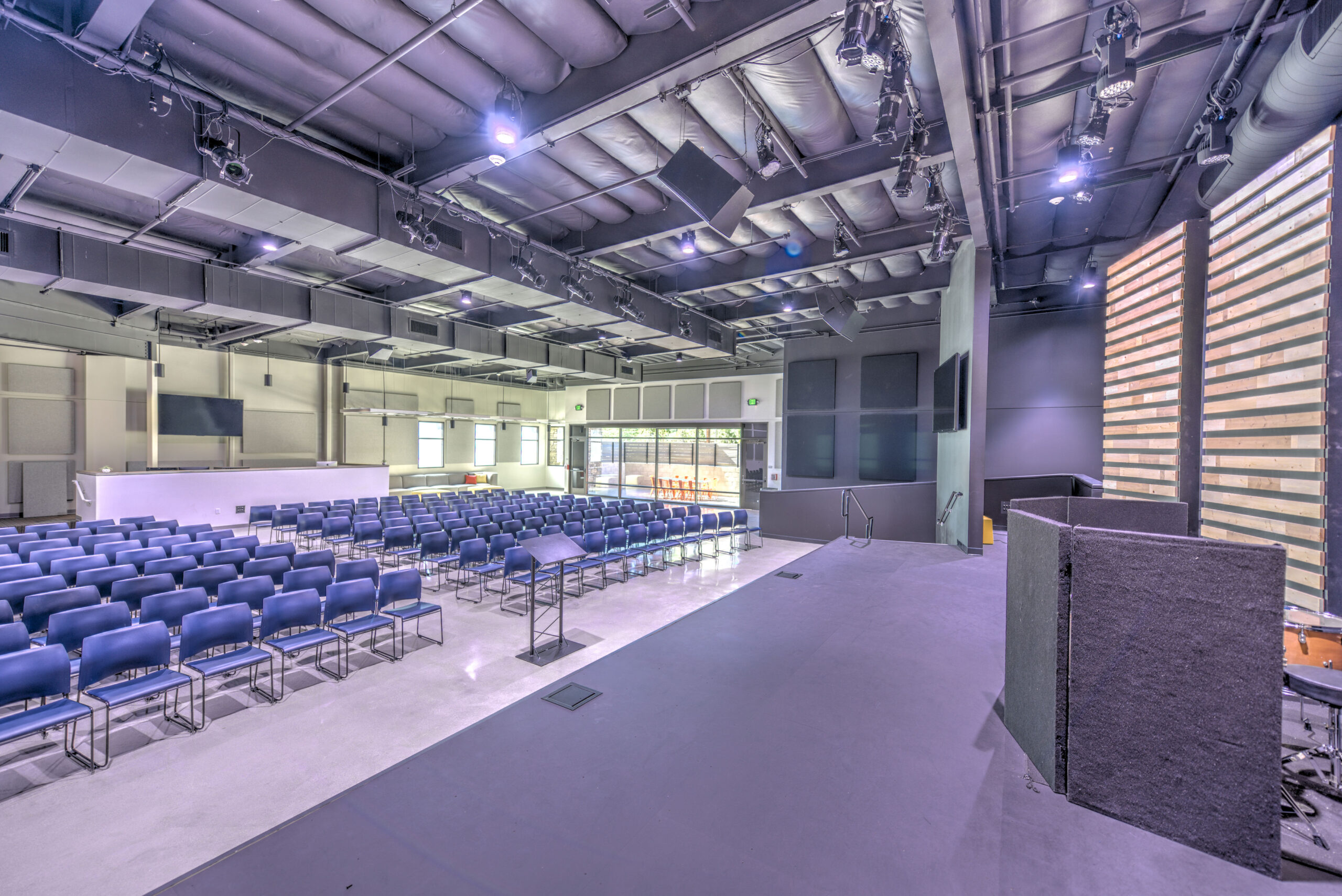
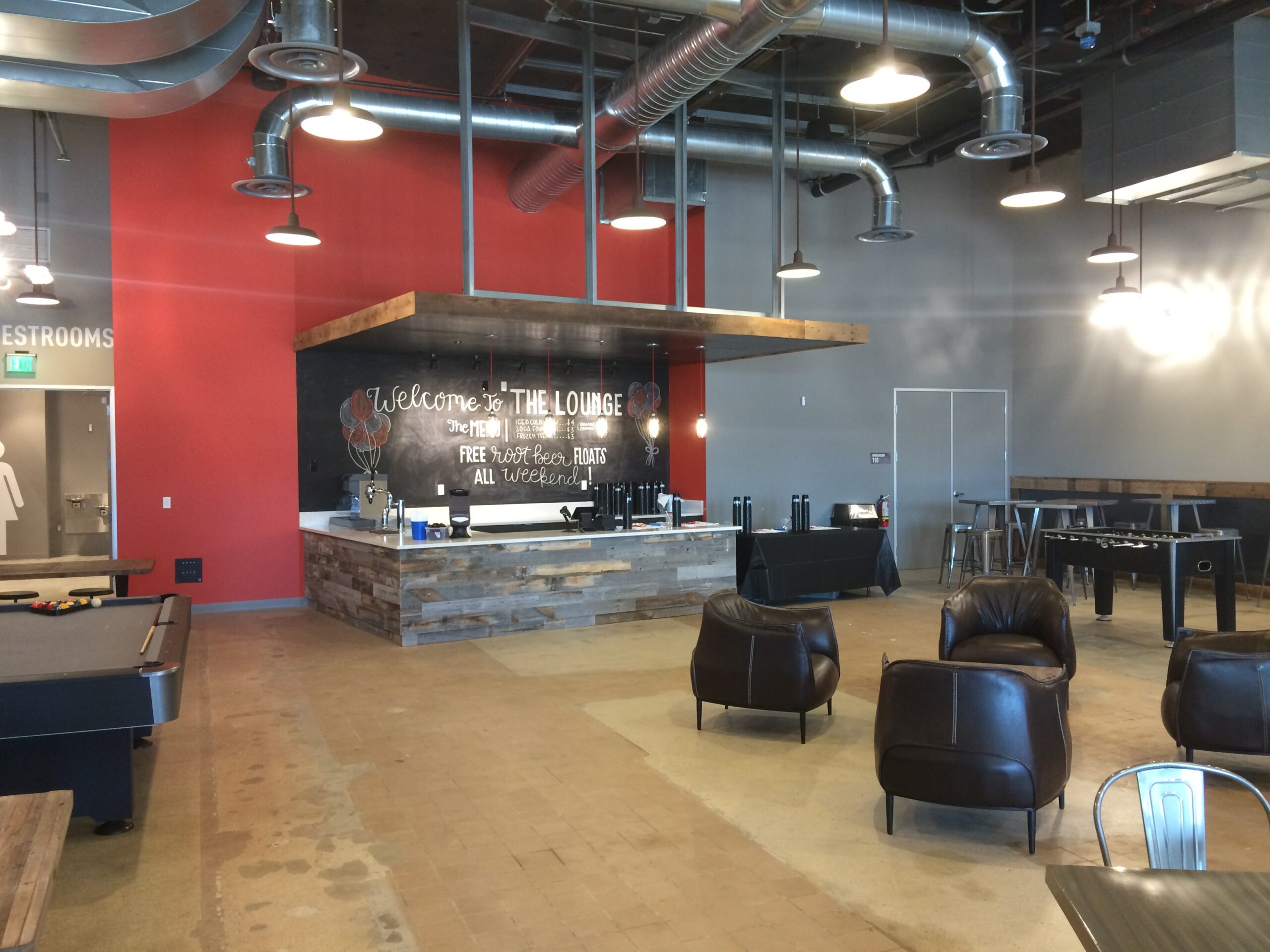
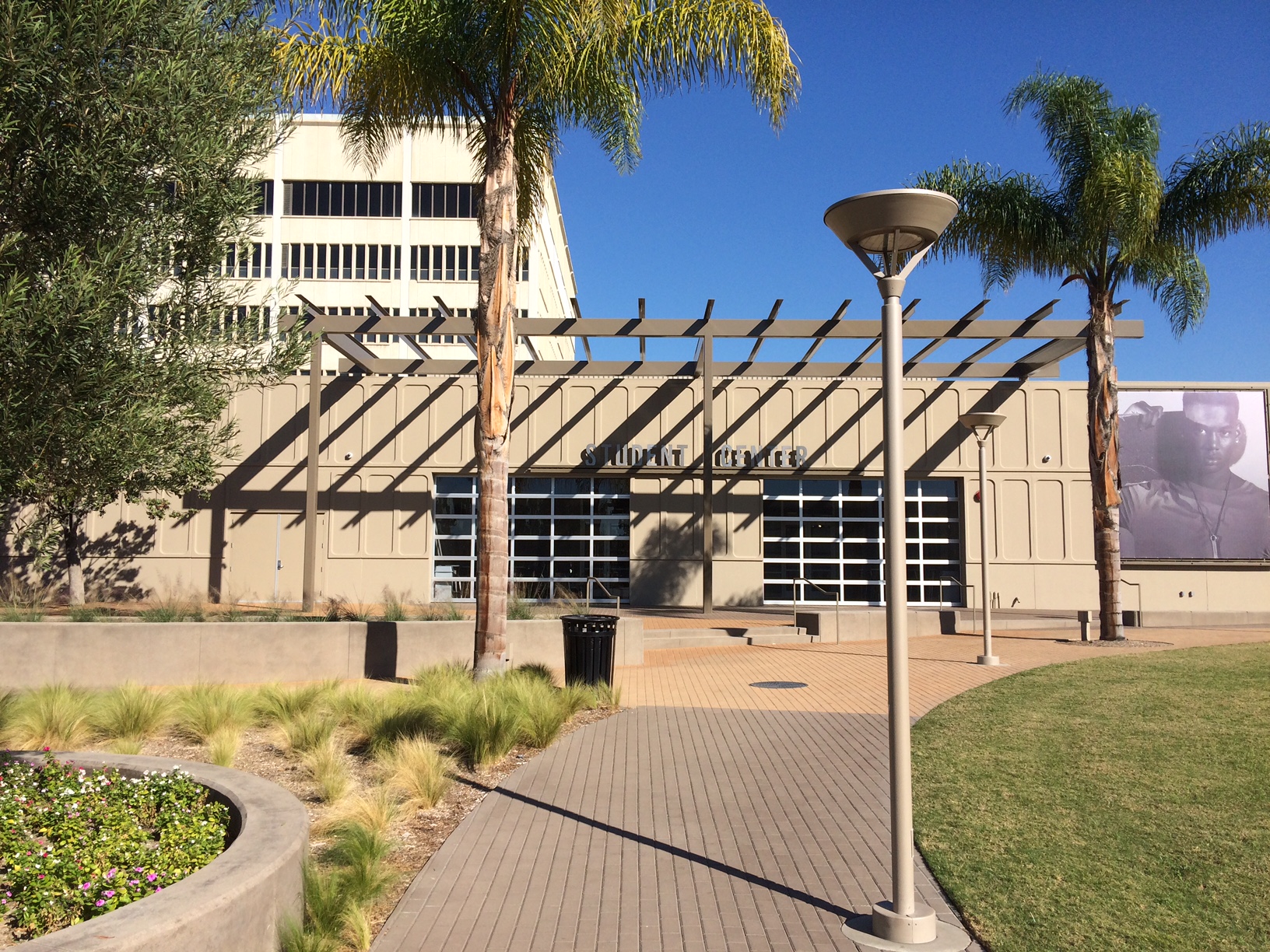
Student ministries facilities consisting of an auditorium and support spaces. The Student Lounge with specialty food and “connection” spaces open onto the entry plaza. The flexible multi-purpose hall serve Young Adult, High School and Junior High functions. Second level meeting rooms are linked by a balcony and lounge overlooking the space below.
In design, we bring characteristics of the natural world into built spaces, such as water, greenery, and natural light, or elements like wood and stone. Encouraging the use of natural systems and processes in design allows for exposure to nature, and in turn, these design approaches improve health and wellbeing. There are a number of possible benefits, including reduced heart rate variability and pulse rates, decreased blood pressure, and increased activity in our nervous systems, to name a few.
Over time, our connections to the natural world diverged in parallel with technological developments. Advances in the 19th and 20th centuries fundamentally changed how people interact with nature. Sheltered from the elements, we spent more and more time indoors. Today, the majority of people spend almost 80-90% of their time indoors, moving between their homes and workplaces. As interior designers embrace biophilia.
[30m2]
bedroom
[22m2]
bathroom
[28m2]
workspace
[15m2]
kitchen area
Incredible Result
Establishing multi-sensory experiences, we can design interiors that resonate across ages and demographics. These rooms and spaces connects us to nature as a proven way to inspire us, boost our productivity, and create greater well-being. Beyond these benefits, by reducing stress and enhancing creativity, we can also expedite healing. In our increasingly urbanized cities, biophilia advocates a more humanistic approach to design. The result is biophilic interiors that celebrate how we live, work and learn with nature. The term translates to ‘the love of living things’ in ancient Greek (philia = the love of / inclination towards), and was used by German-born American psychoanalyst Erich Fromm in The Anatomy of Human Destru ctiveness (1973).
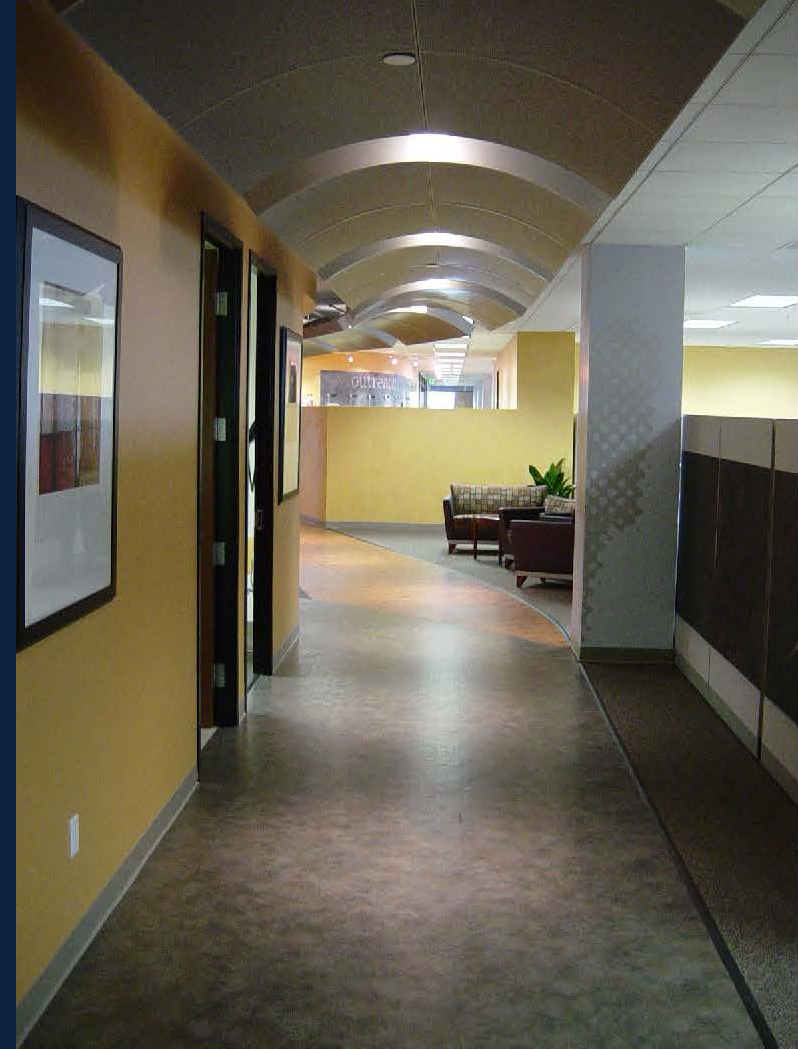
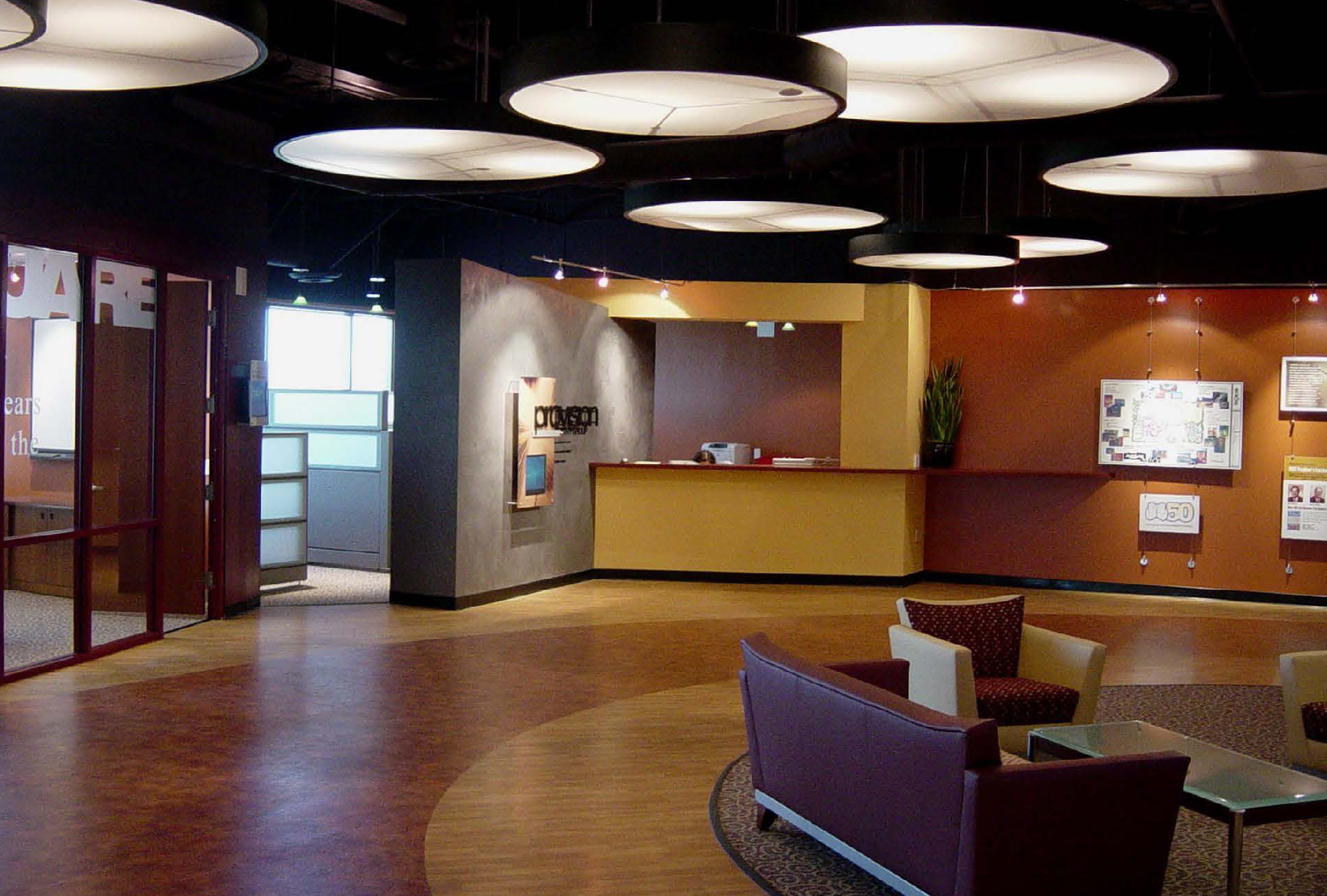
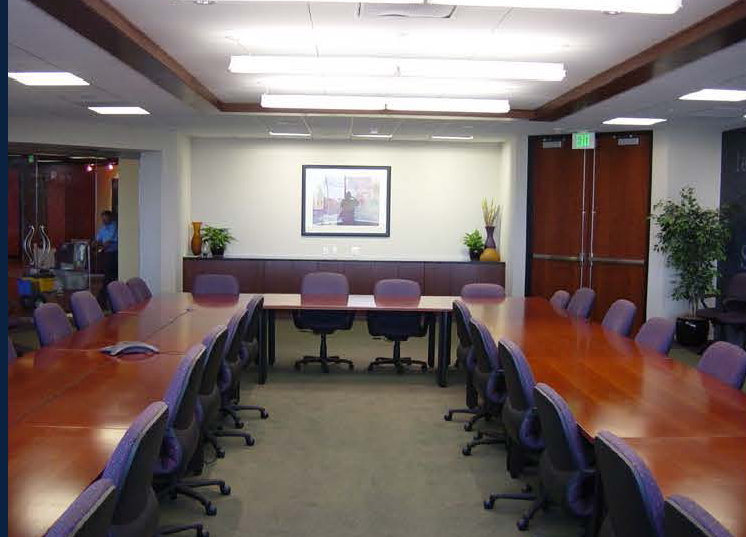
Corporate headquarters organized with a Town Square lobby with individual departments linked by a linear Main Street spine. The interior tenant improvements include conference rooms, Board Room, executive area and individual pods of work groups.
In design, we bring characteristics of the natural world into built spaces, such as water, greenery, and natural light, or elements like wood and stone. Encouraging the use of natural systems and processes in design allows for exposure to nature, and in turn, these design approaches improve health and wellbeing. There are a number of possible benefits, including reduced heart rate variability and pulse rates, decreased blood pressure, and increased activity in our nervous systems, to name a few.
Over time, our connections to the natural world diverged in parallel with technological developments. Advances in the 19th and 20th centuries fundamentally changed how people interact with nature. Sheltered from the elements, we spent more and more time indoors. Today, the majority of people spend almost 80-90% of their time indoors, moving between their homes and workplaces. As interior designers embrace biophilia.
[30m2]
bedroom
[22m2]
bathroom
[28m2]
workspace
[15m2]
kitchen area
Incredible Result
Establishing multi-sensory experiences, we can design interiors that resonate across ages and demographics. These rooms and spaces connects us to nature as a proven way to inspire us, boost our productivity, and create greater well-being. Beyond these benefits, by reducing stress and enhancing creativity, we can also expedite healing. In our increasingly urbanized cities, biophilia advocates a more humanistic approach to design. The result is biophilic interiors that celebrate how we live, work and learn with nature. The term translates to ‘the love of living things’ in ancient Greek (philia = the love of / inclination towards), and was used by German-born American psychoanalyst Erich Fromm in The Anatomy of Human Destru ctiveness (1973).
Student ministries facilities consisting of two auditoriums and support spaces. The Student Lounge with specialty food and “connection” spaces are shared by the two meeting rooms and organized onto the central church courtyard. Flexible multipurpose halls serve Young Adult, High School and Junior High
functions. Second level multi-purpose meeting rooms are used by both adults and fifth/sixth grade students.
In design, we bring characteristics of the natural world into built spaces, such as water, greenery, and natural light, or elements like wood and stone. Encouraging the use of natural systems and processes in design allows for exposure to nature, and in turn, these design approaches improve health and wellbeing. There are a number of possible benefits, including reduced heart rate variability and pulse rates, decreased blood pressure, and increased activity in our nervous systems, to name a few.
Over time, our connections to the natural world diverged in parallel with technological developments. Advances in the 19th and 20th centuries fundamentally changed how people interact with nature. Sheltered from the elements, we spent more and more time indoors. Today, the majority of people spend almost 80-90% of their time indoors, moving between their homes and workplaces. As interior designers embrace biophilia.
[30m2]
bedroom
[22m2]
bathroom
[28m2]
workspace
[15m2]
kitchen area
Incredible Result
Establishing multi-sensory experiences, we can design interiors that resonate across ages and demographics. These rooms and spaces connects us to nature as a proven way to inspire us, boost our productivity, and create greater well-being. Beyond these benefits, by reducing stress and enhancing creativity, we can also expedite healing. In our increasingly urbanized cities, biophilia advocates a more humanistic approach to design. The result is biophilic interiors that celebrate how we live, work and learn with nature. The term translates to ‘the love of living things’ in ancient Greek (philia = the love of / inclination towards), and was used by German-born American psychoanalyst Erich Fromm in The Anatomy of Human Destru ctiveness (1973).
]]>https://j7architecture.com/portfolio/grace-baptist-student-center/feed/0Christ Community Church
https://j7architecture.com/portfolio/christ-community-church/
https://j7architecture.com/portfolio/christ-community-church/#respondMon, 09 May 2022 15:07:20 +0000http://j7architecture.com/?post_type=ot_portfolio&p=5047
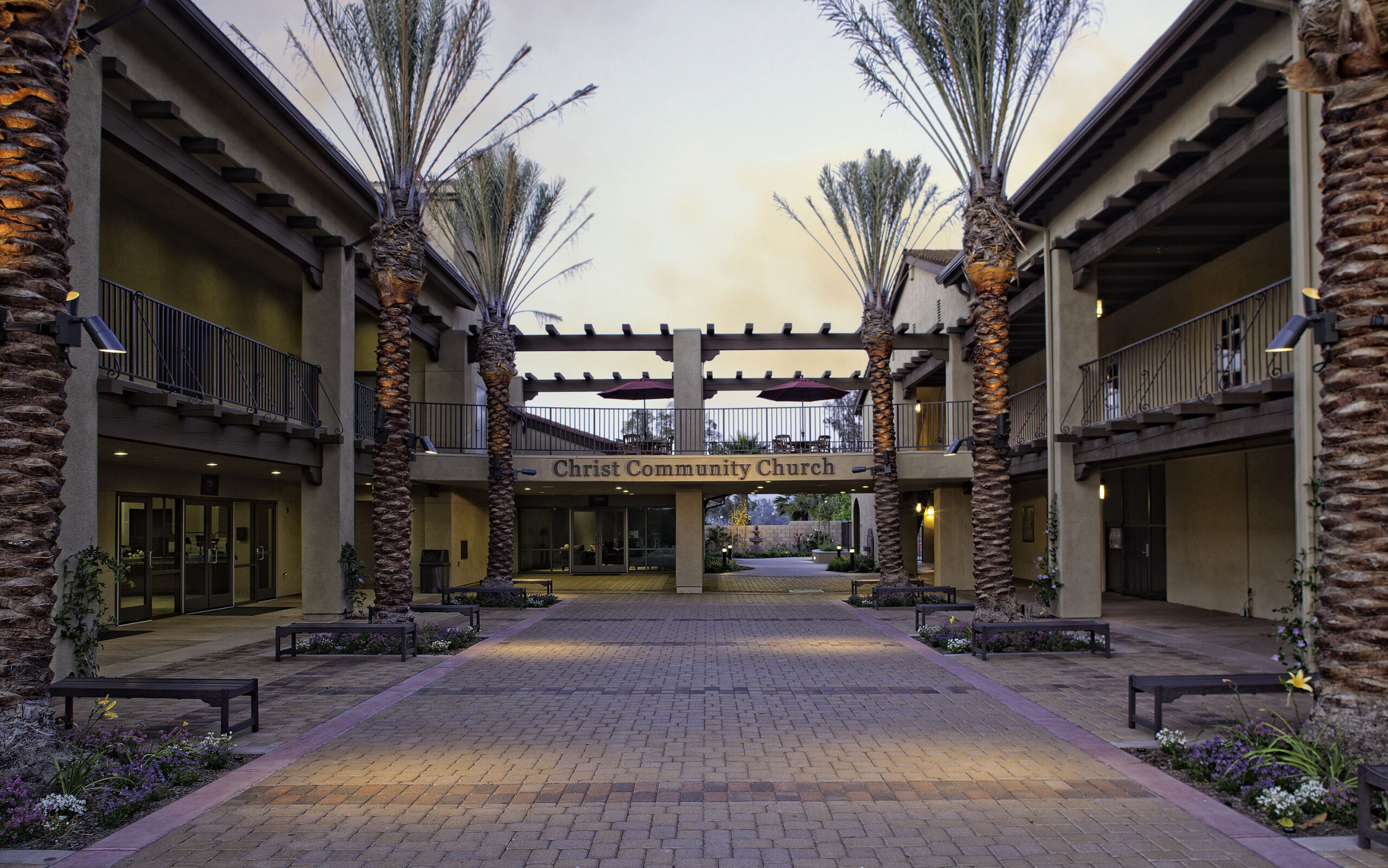
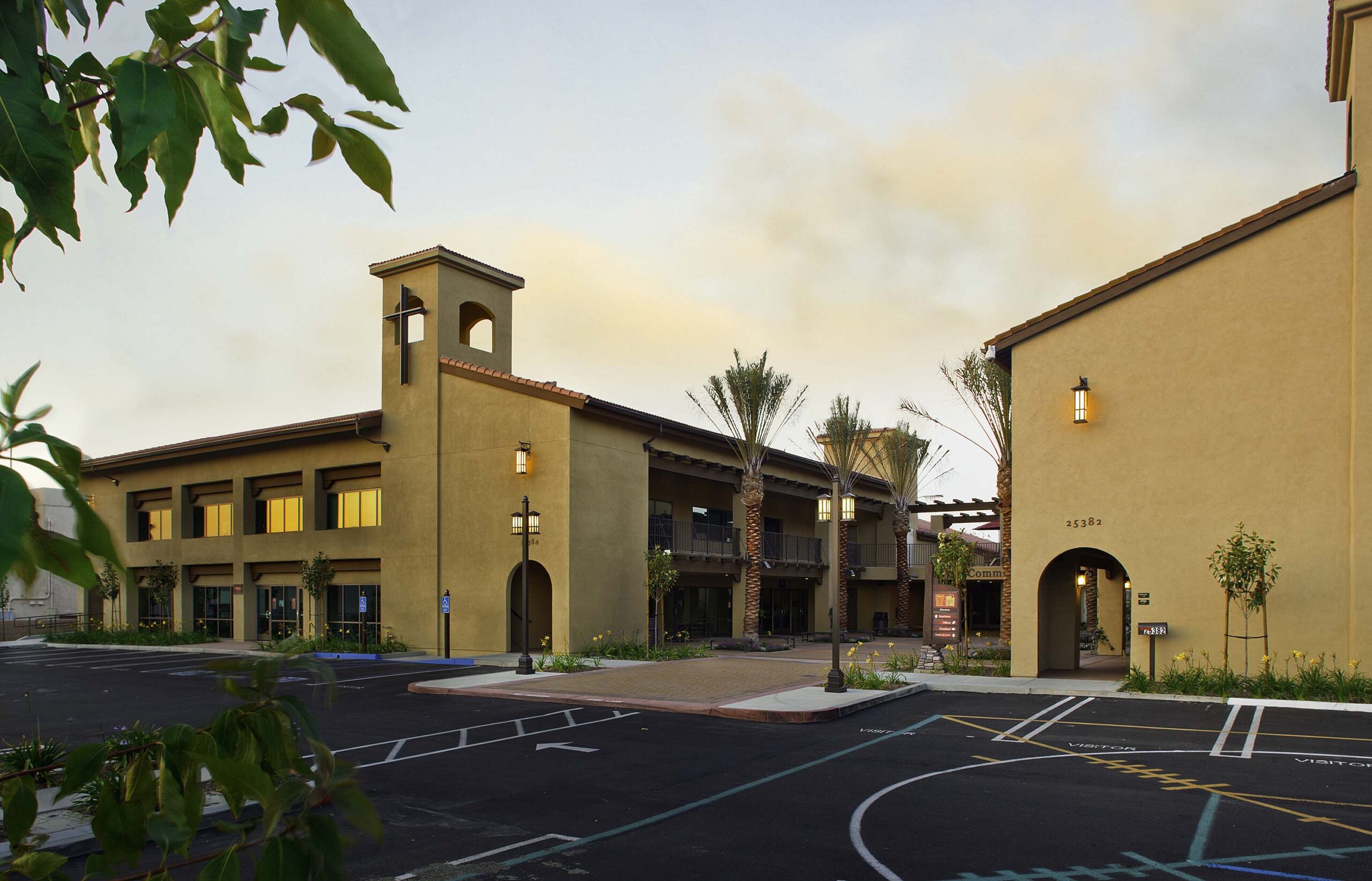
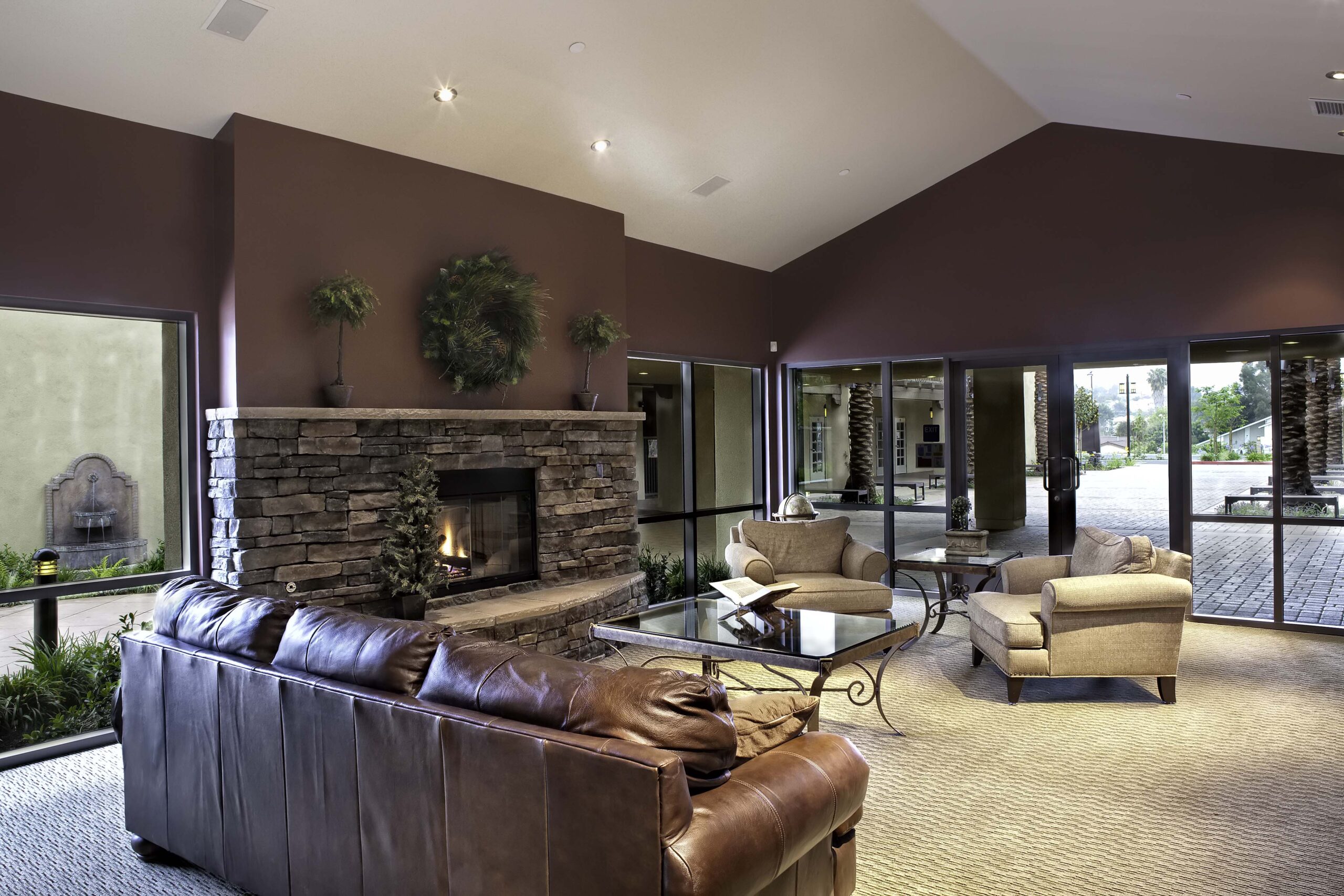
A new Sanctuary, classrooms and administrative offices organized around a Fellowship Palm Courtyard and terrace. The courtyards leas to a prayer garden and fireside room.
In design, we bring characteristics of the natural world into built spaces, such as water, greenery, and natural light, or elements like wood and stone. Encouraging the use of natural systems and processes in design allows for exposure to nature, and in turn, these design approaches improve health and wellbeing. There are a number of possible benefits, including reduced heart rate variability and pulse rates, decreased blood pressure, and increased activity in our nervous systems, to name a few.
Over time, our connections to the natural world diverged in parallel with technological developments. Advances in the 19th and 20th centuries fundamentally changed how people interact with nature. Sheltered from the elements, we spent more and more time indoors. Today, the majority of people spend almost 80-90% of their time indoors, moving between their homes and workplaces. As interior designers embrace biophilia.
[30m2]
bedroom
[22m2]
bathroom
[28m2]
workspace
[15m2]
kitchen area
Incredible Result
Establishing multi-sensory experiences, we can design interiors that resonate across ages and demographics. These rooms and spaces connects us to nature as a proven way to inspire us, boost our productivity, and create greater well-being. Beyond these benefits, by reducing stress and enhancing creativity, we can also expedite healing. In our increasingly urbanized cities, biophilia advocates a more humanistic approach to design. The result is biophilic interiors that celebrate how we live, work and learn with nature. The term translates to ‘the love of living things’ in ancient Greek (philia = the love of / inclination towards), and was used by German-born American psychoanalyst Erich Fromm in The Anatomy of Human Destru ctiveness (1973).
]]>https://j7architecture.com/portfolio/christ-community-church/feed/0Eastside Christian Church
https://j7architecture.com/portfolio/eastside-christian-church/
https://j7architecture.com/portfolio/eastside-christian-church/#respondMon, 09 May 2022 14:29:00 +0000http://j7architecture.com/?post_type=ot_portfolio&p=4993
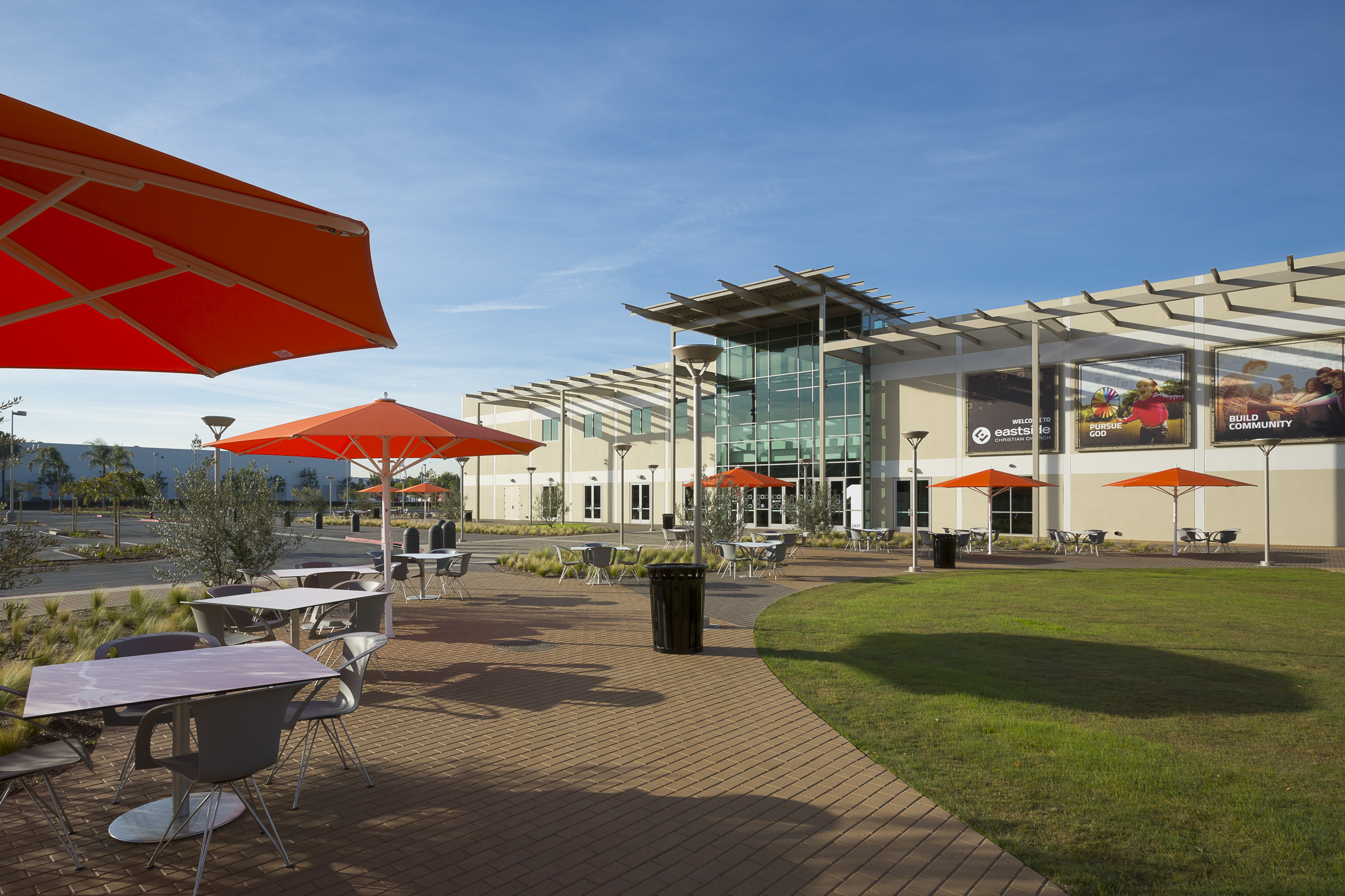
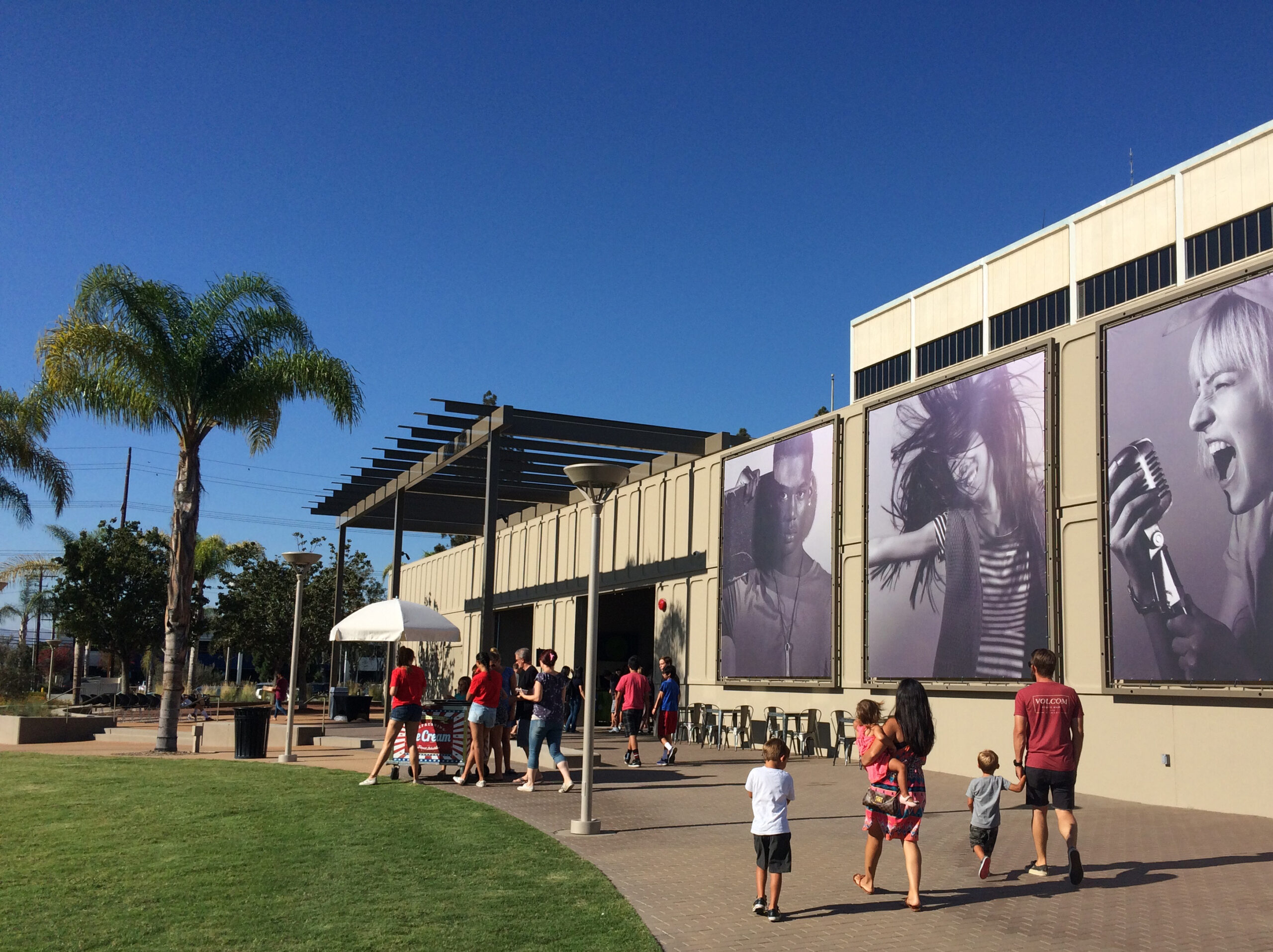
For over 50 years this property served as the creative center of technological research for an aerospace company who developed control and navigation systems for everything from submarines to lunar landers. With its new use as a center of worship, learning and community activities, the new Eastside campus has been repurposed, given new life and a new compass heading.
Celebrating its mid-century modern aesthetic slender steel porticos and brise de soliel were added to articulate the outer facade. A new “Village Green” for community events and native drought tolerant planting of the “Spirit Court” form a central outdoor room joining the two existing buildings.
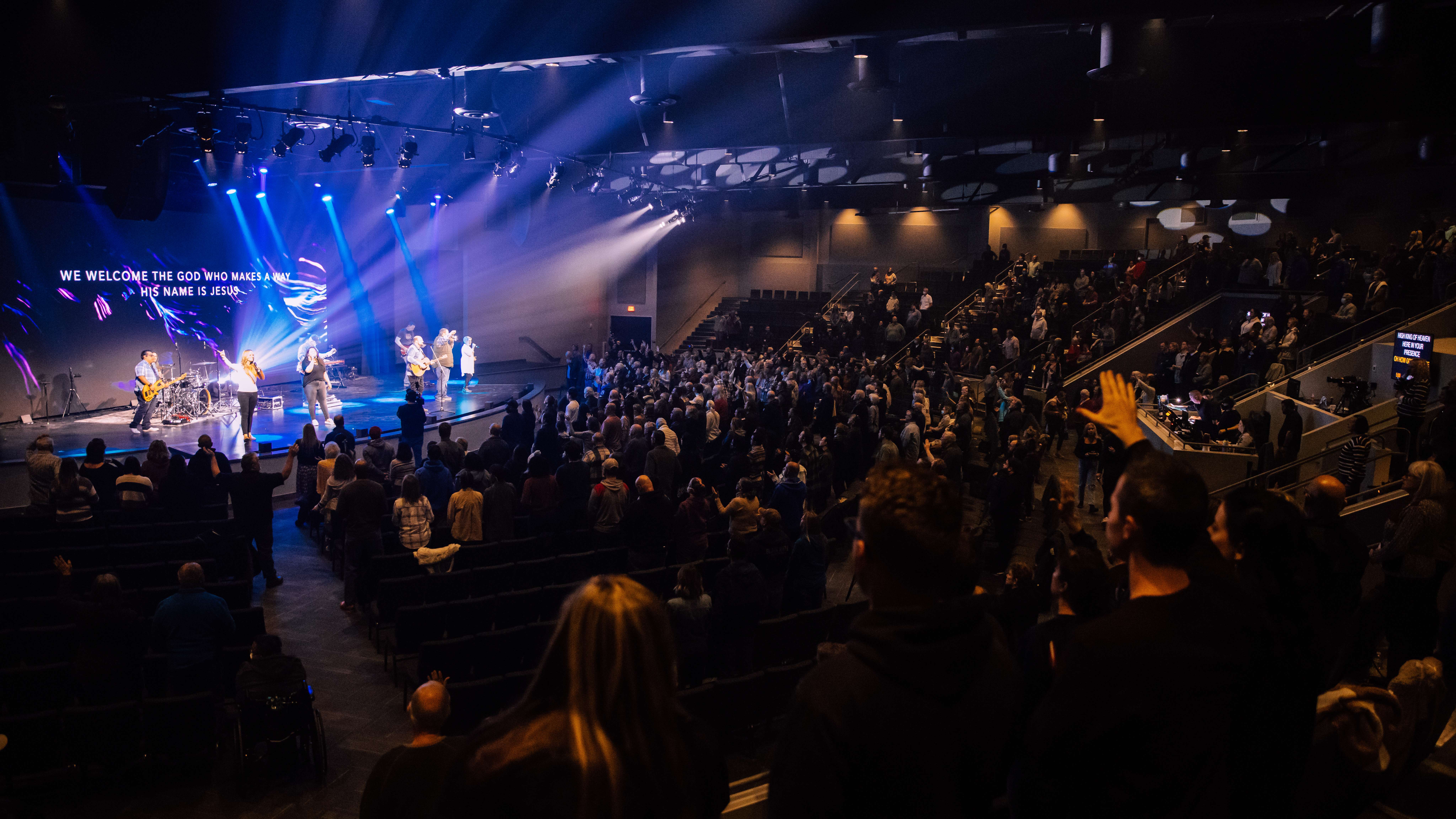
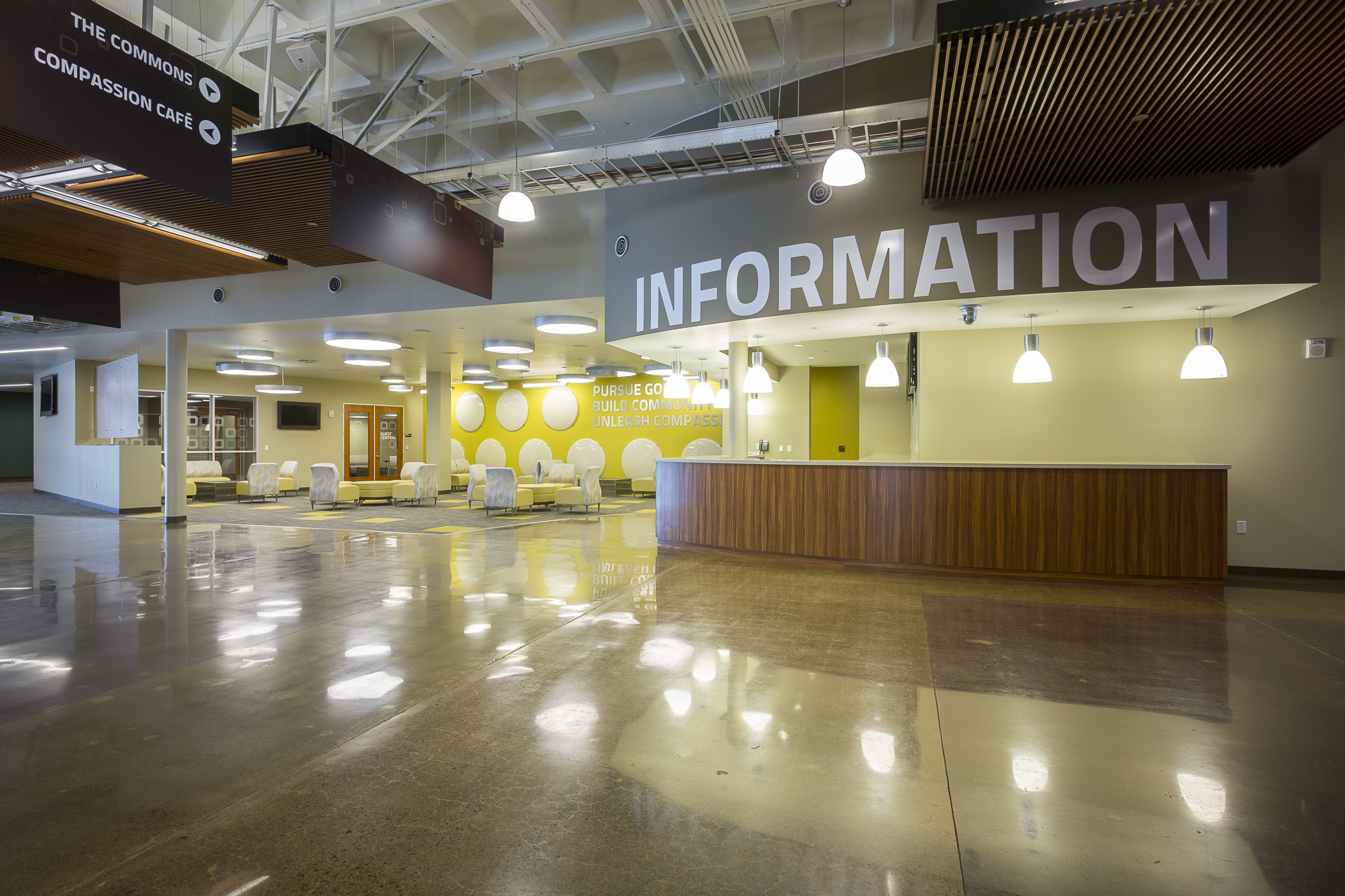
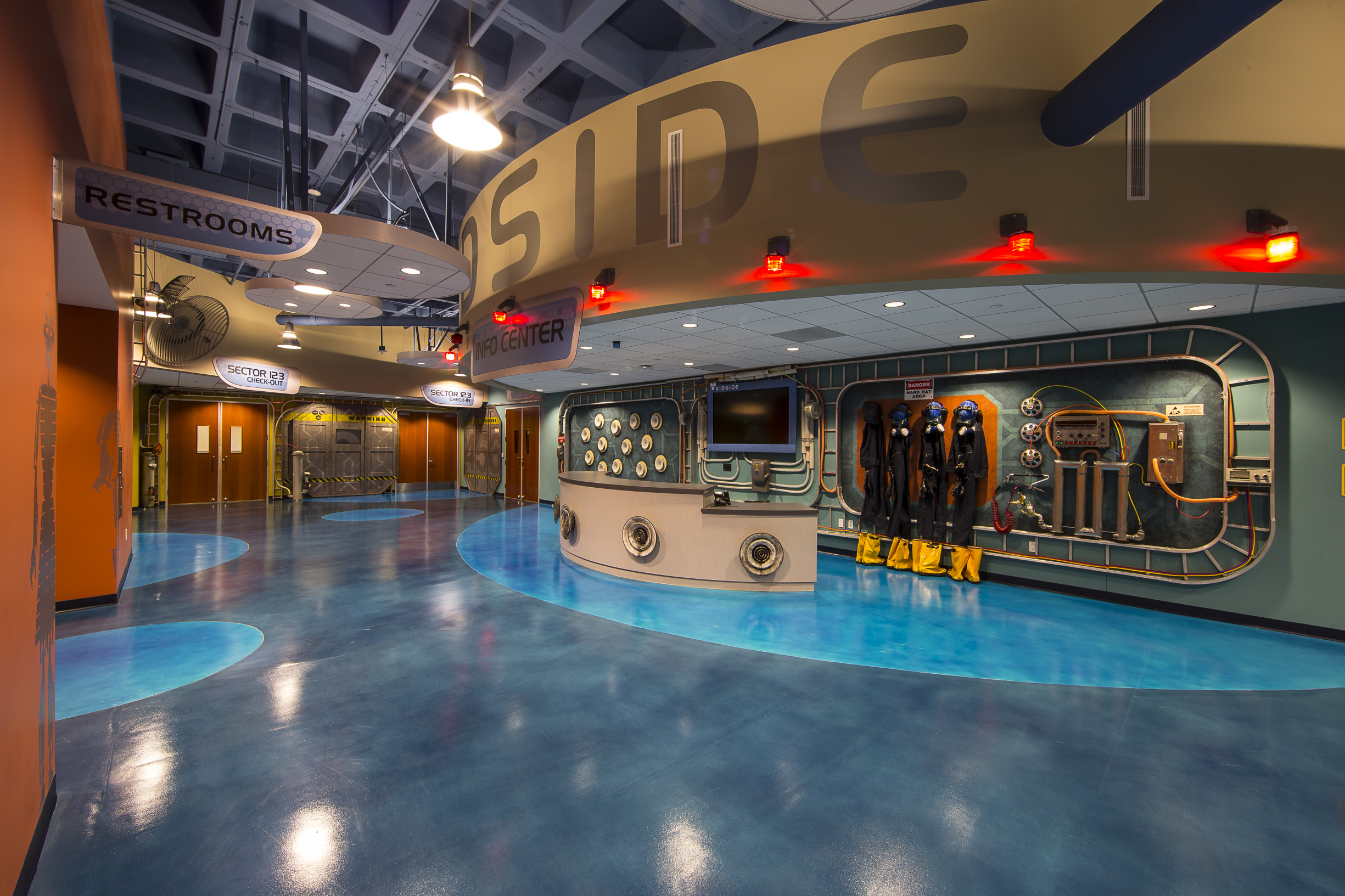
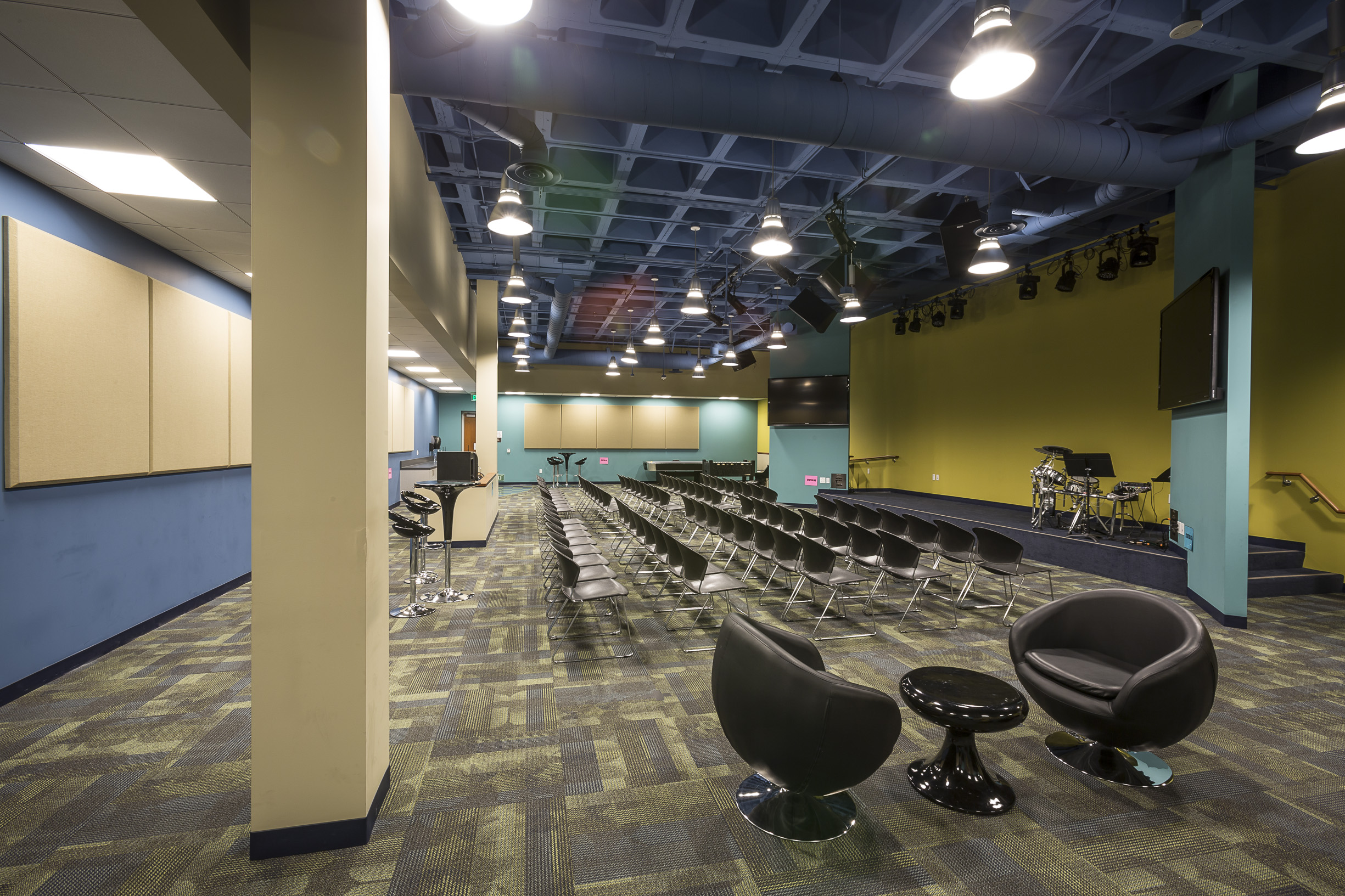
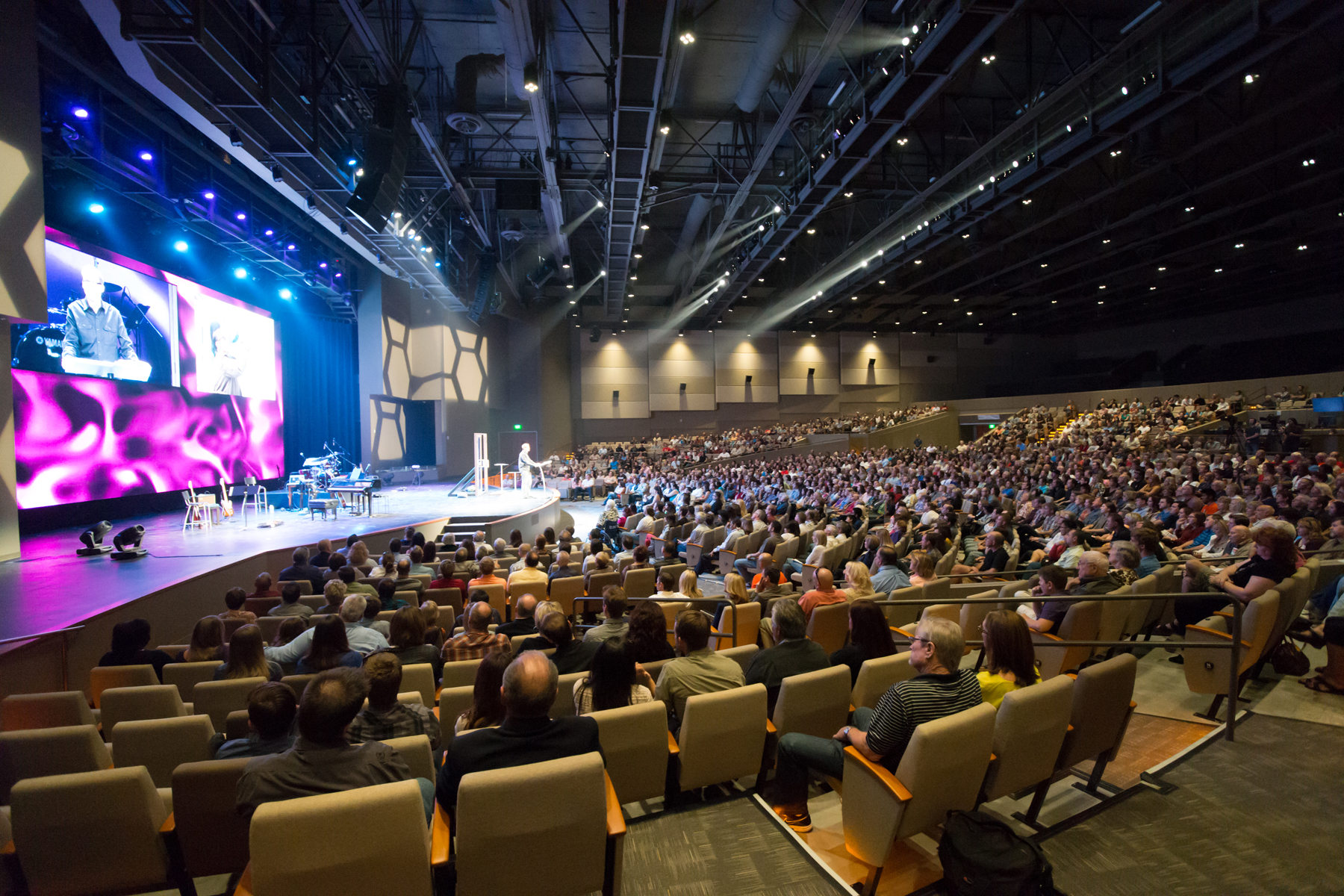
Various adult and children meeting spaces are organized along two primary interior promenades which intersect at the Information and Guest Central lounge. The main auditorium for 2800 people was literally carved out of the center in the two story structure. A fan shaped configuration and stadium seating system enhance a feeling of community for the congregation members. The Church vision to Pursue God, Build Community and Unleash Compassion is captured in the design elements of functional spaces as well as graphic theming.
Description:
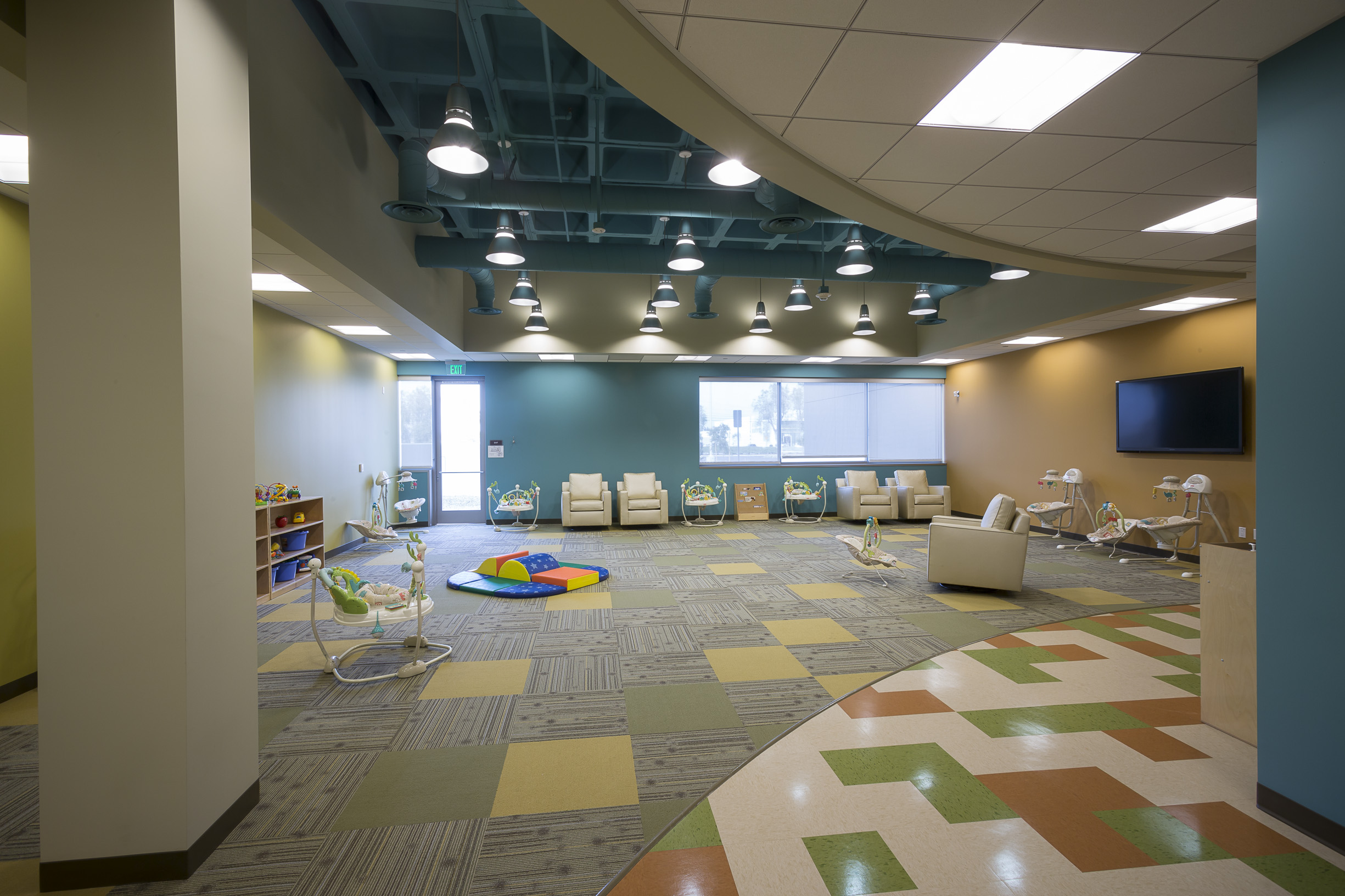
Repurposed 20 acre campus into the new home for a rapidly growing Southern California Church. Supported by state of the art technology, the 2800 seat auditorium is the central element of the plan. Various support ministry zones which surround this space include Kidside Nursery and Preschool, Elementary, Surge and Impact Youth as well as a multi-purpose Commons and Café.
In design, we bring characteristics of the natural world into built spaces, such as water, greenery, and natural light, or elements like wood and stone. Encouraging the use of natural systems and processes in design allows for exposure to nature, and in turn, these design approaches improve health and wellbeing. There are a number of possible benefits, including reduced heart rate variability and pulse rates, decreased blood pressure, and increased activity in our nervous systems, to name a few.
Over time, our connections to the natural world diverged in parallel with technological developments. Advances in the 19th and 20th centuries fundamentally changed how people interact with nature. Sheltered from the elements, we spent more and more time indoors. Today, the majority of people spend almost 80-90% of their time indoors, moving between their homes and workplaces. As interior designers embrace biophilia.
[30m2]
bedroom
[22m2]
bathroom
[28m2]
workspace
[15m2]
kitchen area
Incredible Result
Establishing multi-sensory experiences, we can design interiors that resonate across ages and demographics. These rooms and spaces connects us to nature as a proven way to inspire us, boost our productivity, and create greater well-being. Beyond these benefits, by reducing stress and enhancing creativity, we can also expedite healing. In our increasingly urbanized cities, biophilia advocates a more humanistic approach to design. The result is biophilic interiors that celebrate how we live, work and learn with nature. The term translates to ‘the love of living things’ in ancient Greek (philia = the love of / inclination towards), and was used by German-born American psychoanalyst Erich Fromm in The Anatomy of Human Destru ctiveness (1973).
]]>https://j7architecture.com/portfolio/eastside-christian-church/feed/0Calvary Chapel of Costa Mesa
https://j7architecture.com/portfolio/calvary-chapel-of-costa-mesa/
https://j7architecture.com/portfolio/calvary-chapel-of-costa-mesa/#respondMon, 25 Nov 2019 16:06:43 +0000http://wpdemo.archiwp.com/onum/?post_type=ot_portfolio&p=1472
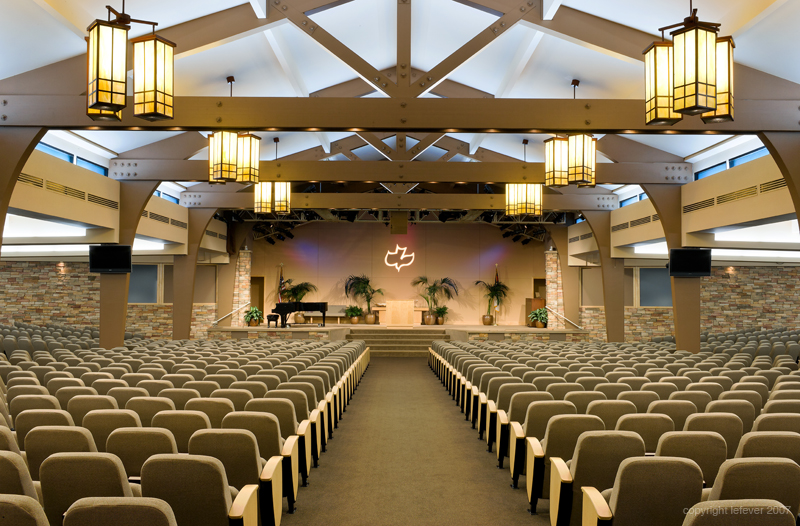
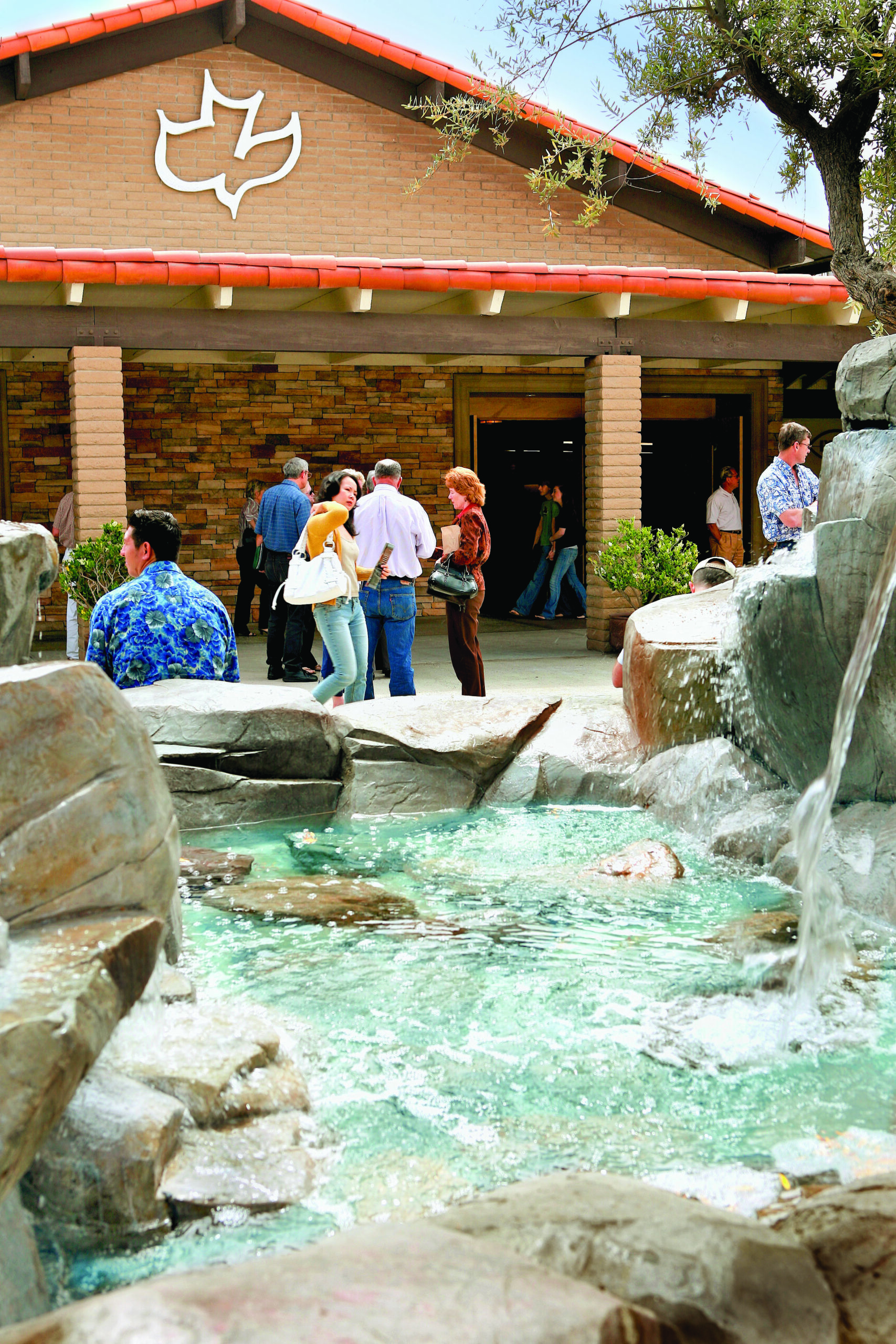
Major renovation to Sanctuary seating 2000 including new exterior façade, interior theatrical seating, lighting system, HVAC, audio video, truss stage lighting. Outdoor courtyard and amphitheatre lawn seating areas were added.
In design, we bring characteristics of the natural world into built spaces, such as water, greenery, and natural light, or elements like wood and stone. Encouraging the use of natural systems and processes in design allows for exposure to nature, and in turn, these design approaches improve health and wellbeing. There are a number of possible benefits, including reduced heart rate variability and pulse rates, decreased blood pressure, and increased activity in our nervous systems, to name a few.
Over time, our connections to the natural world diverged in parallel with technological developments. Advances in the 19th and 20th centuries fundamentally changed how people interact with nature. Sheltered from the elements, we spent more and more time indoors. Today, the majority of people spend almost 80-90% of their time indoors, moving between their homes and workplaces. As interior designers embrace biophilia.
[30m2]
bedroom
[22m2]
bathroom
[28m2]
workspace
[15m2]
kitchen area
Incredible Result
Establishing multi-sensory experiences, we can design interiors that resonate across ages and demographics. These rooms and spaces connects us to nature as a proven way to inspire us, boost our productivity, and create greater well-being. Beyond these benefits, by reducing stress and enhancing creativity, we can also expedite healing. In our increasingly urbanized cities, biophilia advocates a more humanistic approach to design. The result is biophilic interiors that celebrate how we live, work and learn with nature. The term translates to ‘the love of living things’ in ancient Greek (philia = the love of / inclination towards), and was used by German-born American psychoanalyst Erich Fromm in The Anatomy of Human Destru ctiveness (1973).